
回·聲 Sounds of Belonging
回·聲 Sounds of Belonging-Artistic Concept
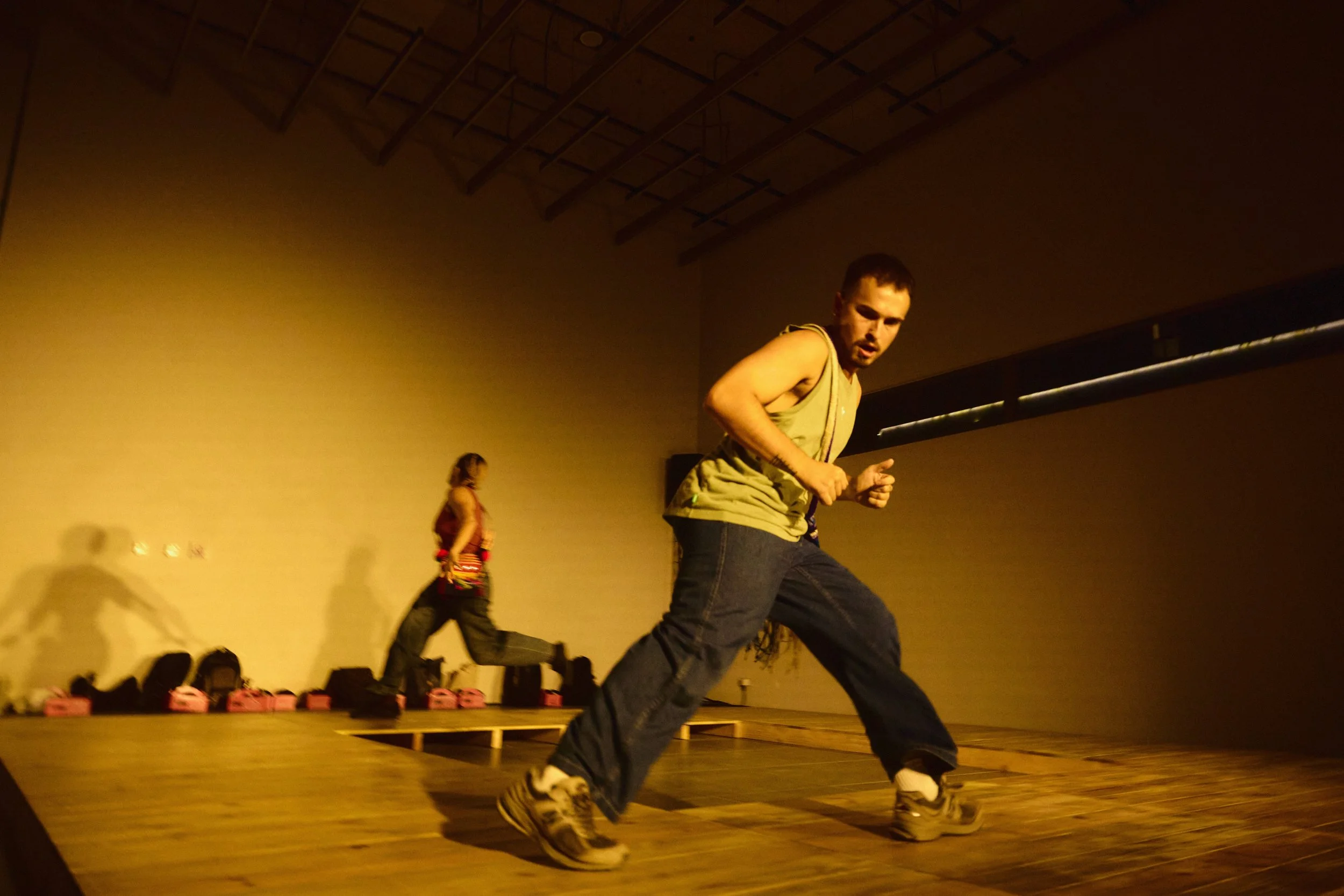
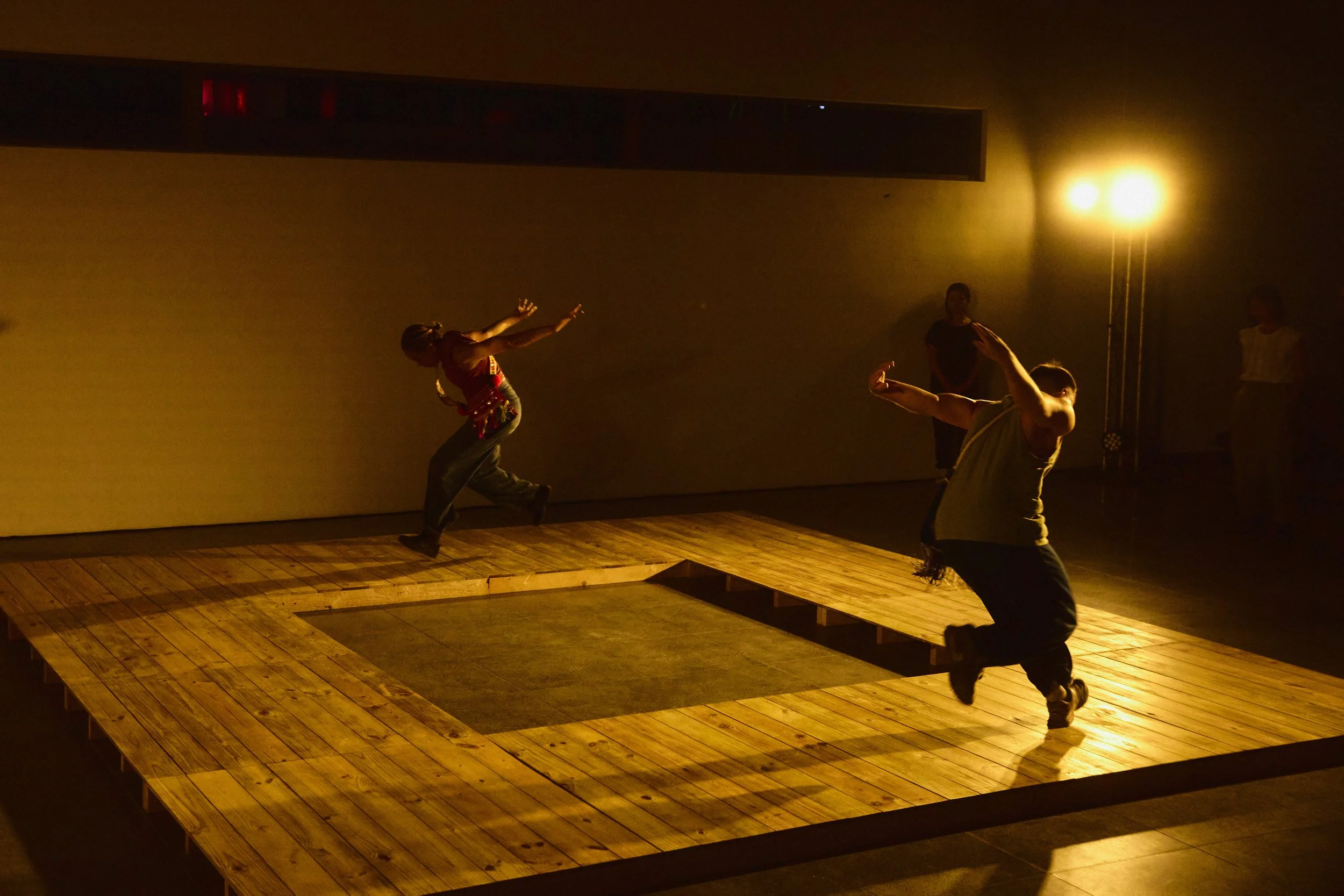
In this performance, we explore how the sense of belonging shifts over time—shaped by aging, leaving home, and the diasporic experiences of living in the city. Our collaboration seeks to examine how we find belonging in ourselves, in places, in Indigenous cultures, in family, in community, in our village or tribe, in our ancestors, and in imagined futures. What are the sights and sounds that make us feel like we’re home? And how do they shape our mental and physical states?
This collaboration between Panay Pan and Baden Hitchcock was inspired by the Indigenous concept of cyclical time found in traditional rituals, a worldview that contrasts with the linear sense of time common in the West. Together, we explored how sound, music, movement, and space can create a grounded sense of belonging— even for those who didn’t grow up within a traditional village context. How might we disrupt the linear structure of performance and instead invite temporal slippage, an experience of time that loops, breathes, and circles?
In the work “回·聲 Sounds of Belonging,” the word “回” signifies a kind of resonance. Within the imagery of “Return,” it represents a passage—a space of resonance between sound, memory, taste, and emotion. It is much like how we understand Indigenous perceptions of time: not as linear, but as circular. In this circular concept, the past, present, and future may overlap or influence one another within the same cycle. It is through this back-and-forth motion that we slowly sense a belonging of sound within the inner landscape of body and mind.
Creative Content
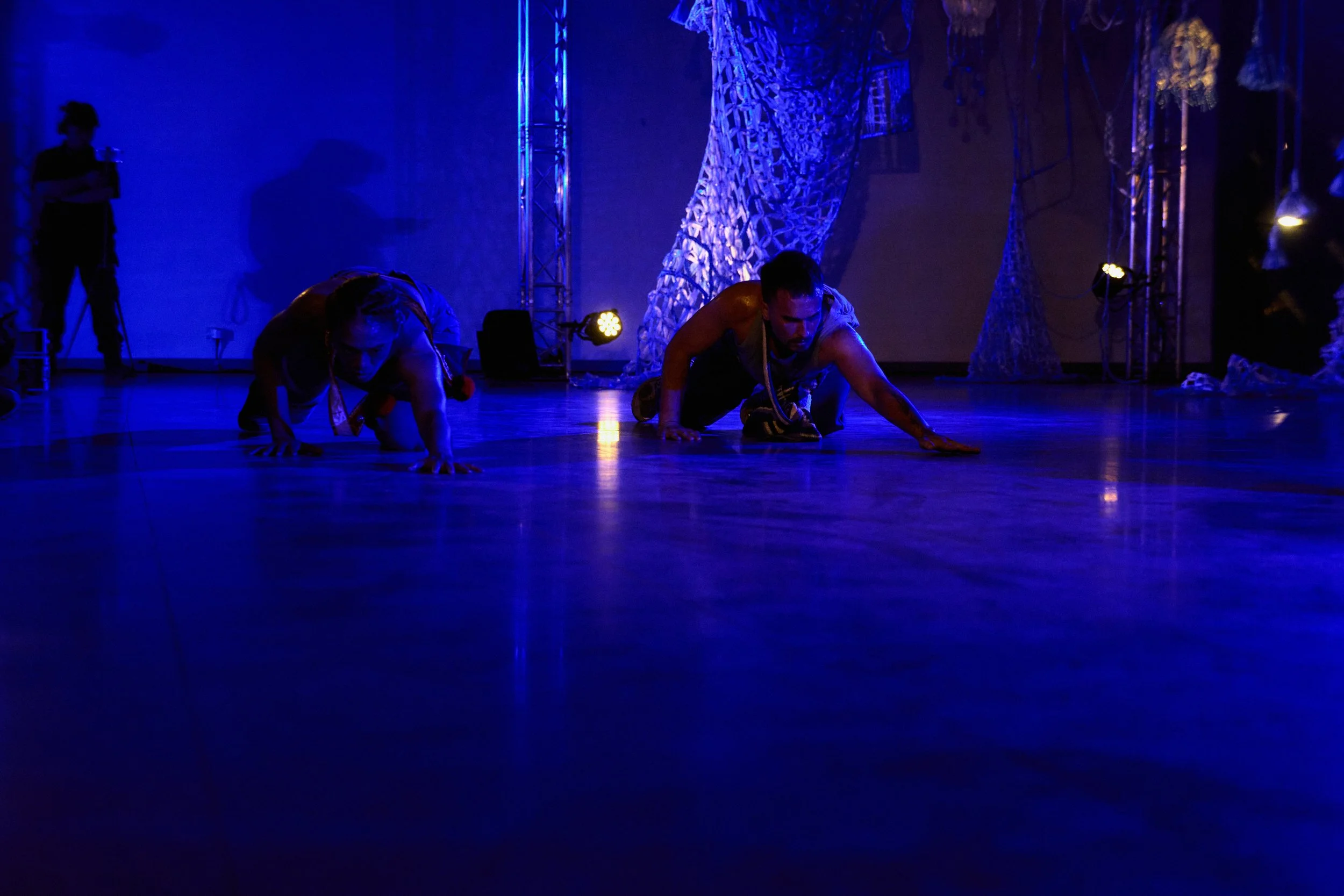
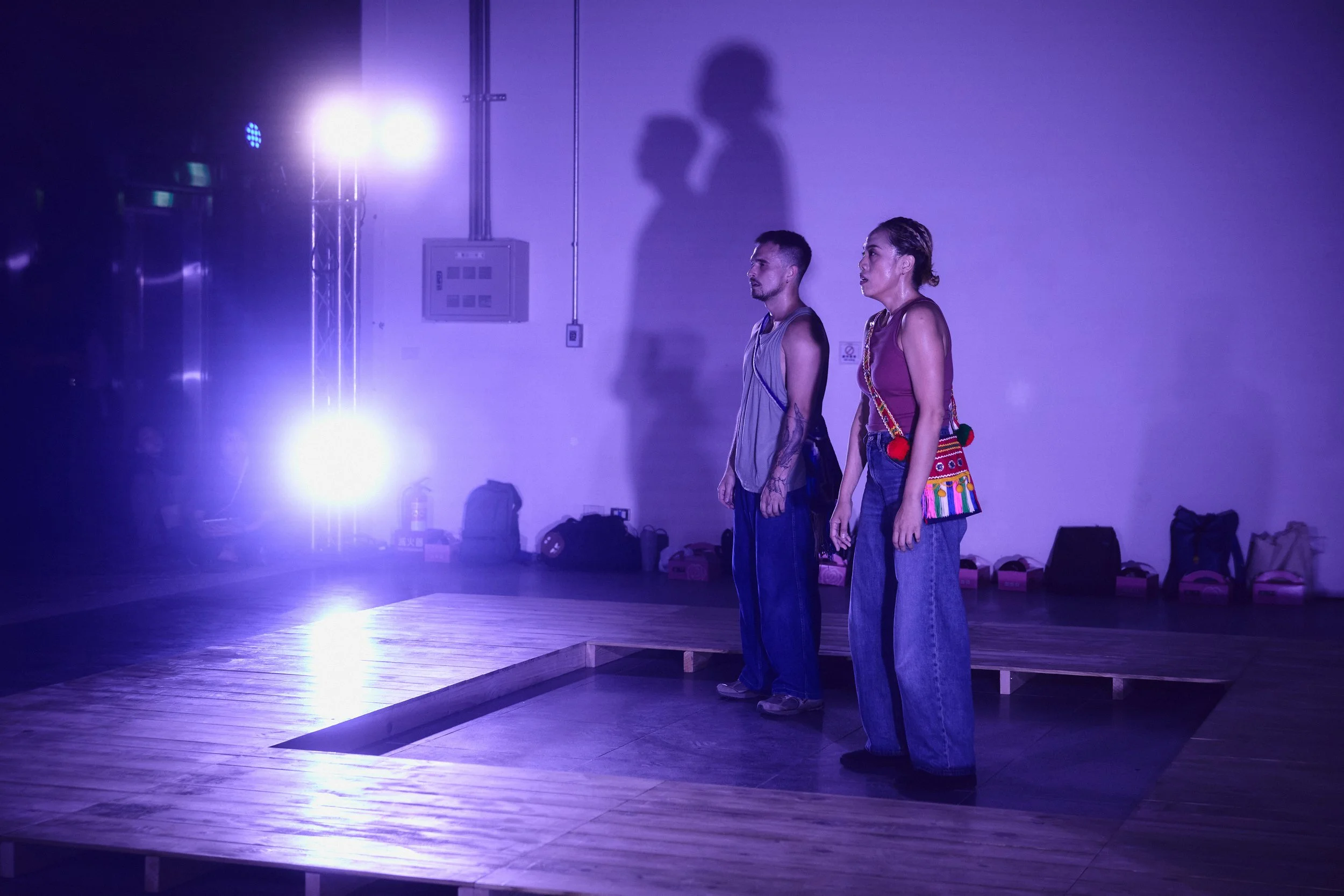
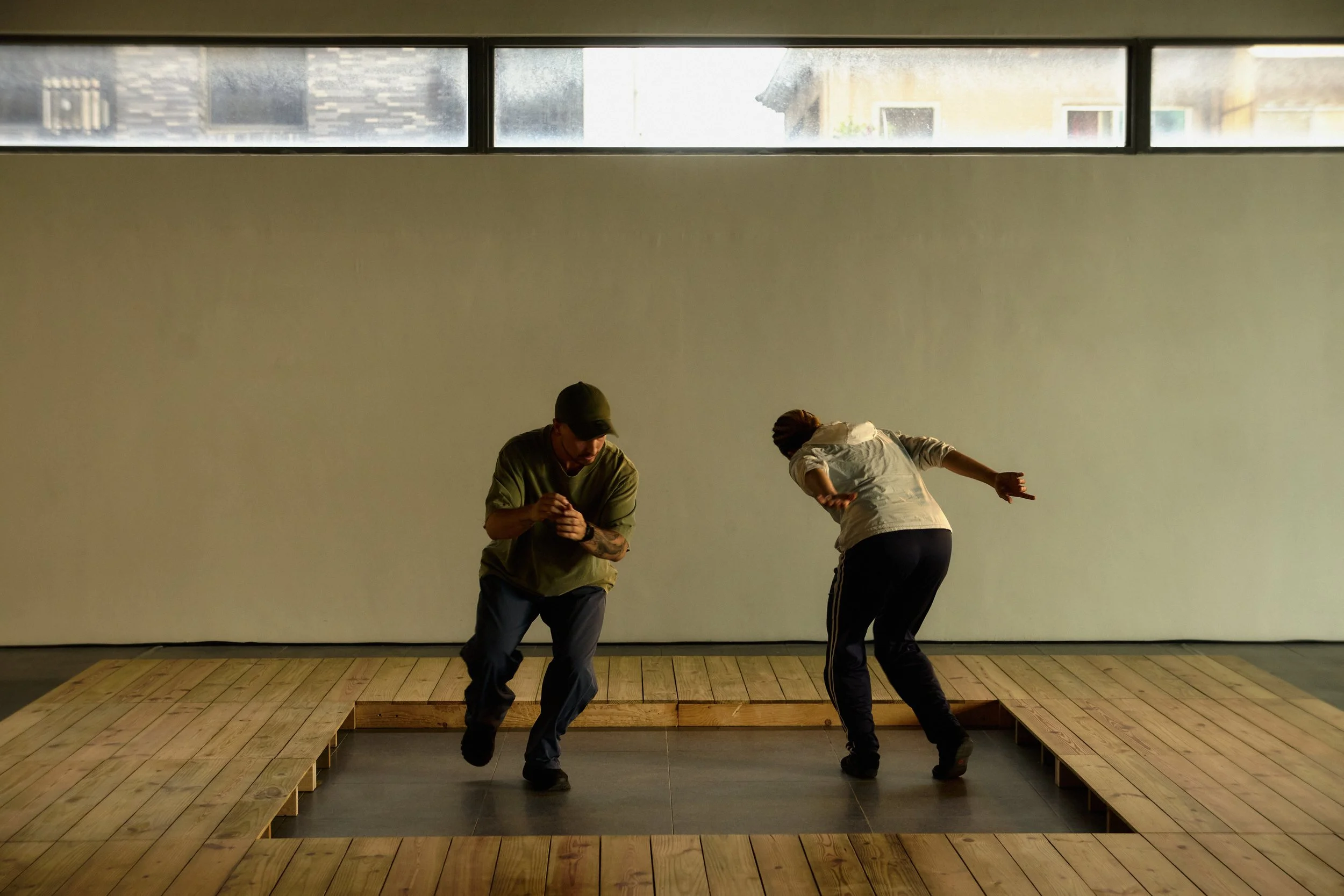
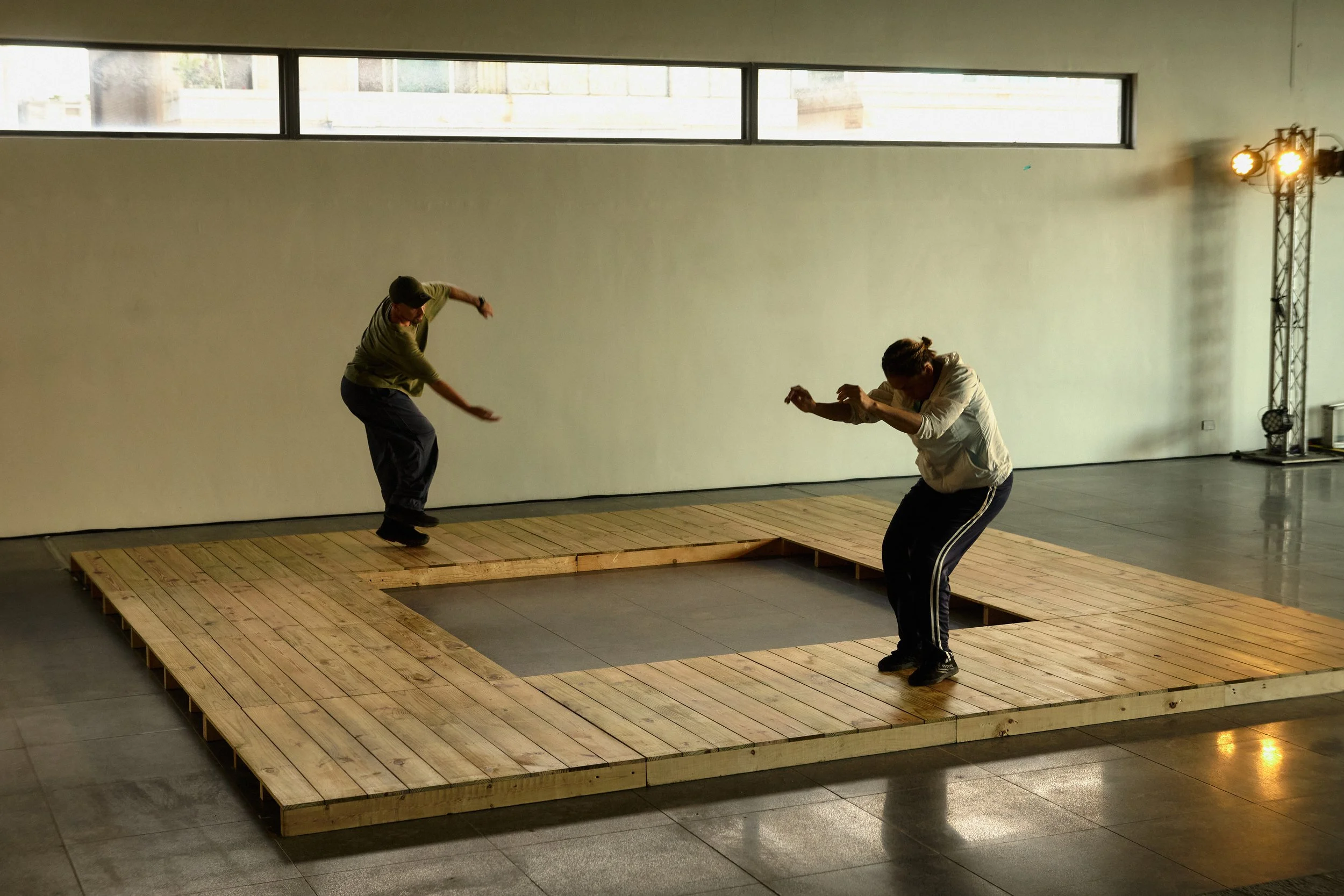
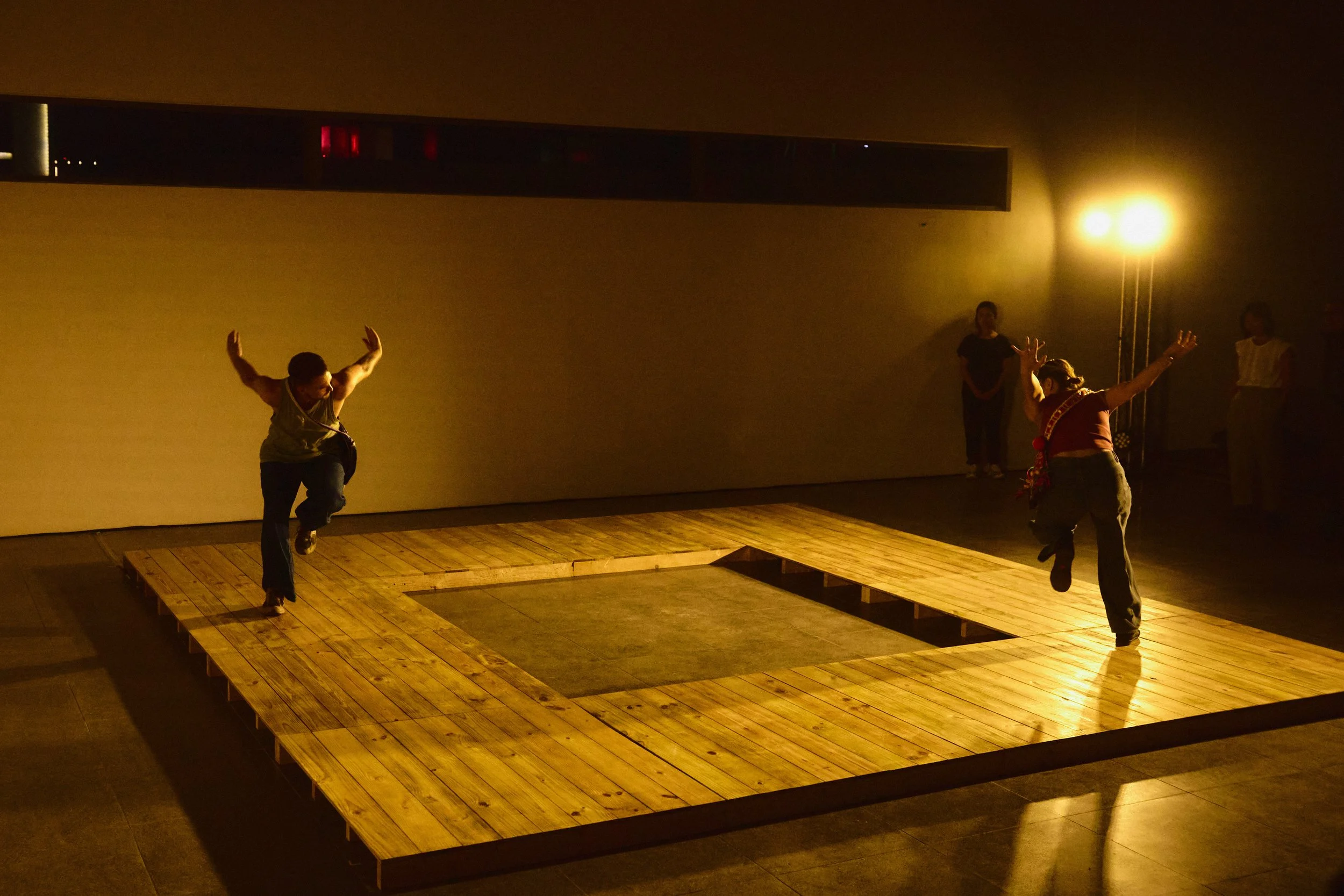
This work interweaves concepts of rhythm, space, and pattern, drawing inspiration from traditional Motuan tattoo designs and the body percussion practices of the Kiwai people in Western Province, Papua New Guinea. Through processes of transformation, harmony, and chaos, the two performers seek to understand how different systems of knowledge can both overlap and diverge. It is a journey of trusting bodily knowledge—an inner “Gida”—as they search for grounding and a sense of ease in the convergence between urban and rural landscapes. Through this collaboration between Panay and Baden, forged across nations and rooted in diasporic experience, the piece listens to the resonances of voice and belonging within the body and across landscapes.
“Gida,” a word from the Motu language meaning “flame,” was introduced by Baden and became a central metaphor in the work. It symbolizes the spark of cultural identity that lives inside us. Through a blending of traditional and contemporary forms, we aim to ignite and sustain this inner fire.
Panay also shares a classical song from the Pangcah song known across many Indigenous villages: “Alofo no mato’asay – The Elder’s Carrying Bag.” This song, deeply rooted in daily life, carries the feeling of gathering and shared joy. Song becomes a way home—a path back to belonging. When we feel lost, when our steps falter, when we are searching—listening to our breath and to a melody stored in memory gently steadies the spirit. In life’s shifting rhythms, how do we find the moment to truly breathe? Some Pangcah elders greet one another playfully by asking: “Still breathing?” One elder once said that to step on the earth is like “stamping a seal onto the land”— telling it that we are here. This echoes through ritual gatherings: as people join hands and move together in rhythm, it feels as though ancestors and present-day communities respond to one another—through shared breath, movement, and song.
https://www.pulima.com.tw/Pulima/SoundsofBelonging20250707.aspx